by Rhea BeckettSonic Cartographies
Sonic Cartographies is a sound-based intervention investigating how contemporary technologies collect, measure, and extract information from both the physical environment and the human body. By translating environmental and plant data into sound, the project examines the relationships between data, memory, and place. It asks what is lost, transformed, or made possible when our lived experience becomes information.
This inquiry feels especially urgent within the context of Black histories and futures as ongoing environmental and economic inequities continue to disproportionately affect Black communities. From plantation economies to contemporary systems of surveillance, algorithmic governance, and AI-driven data extraction, Black labor, cultural production, and the landscapes we inhabit have long been sites of commodification and resource extraction.
Through sound composition, live performance, and participatory listening sessions, the project proposes an alternative relationship to data. Rooted in cultural preservation, collective storytelling, and remembrance rather than responsive extraction, Sonic Cartographies engages data as a medium for witnessing and memory, exploring how Black embodied knowledge and cultural practices might resist reduction into quantifiable data points while remaining central to conversations about technology, ecology, and our collective future.
PIER IV [for Tilly]
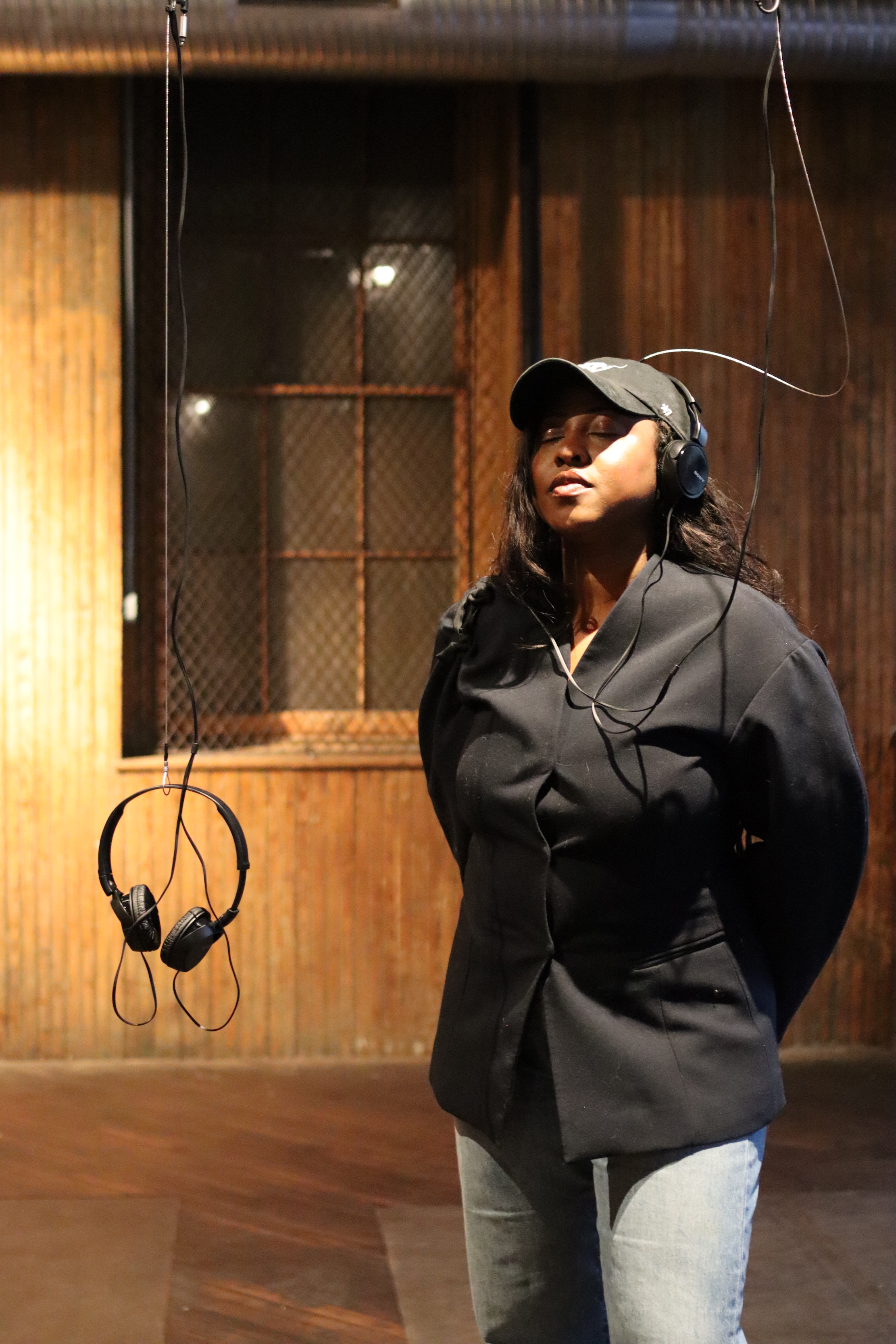
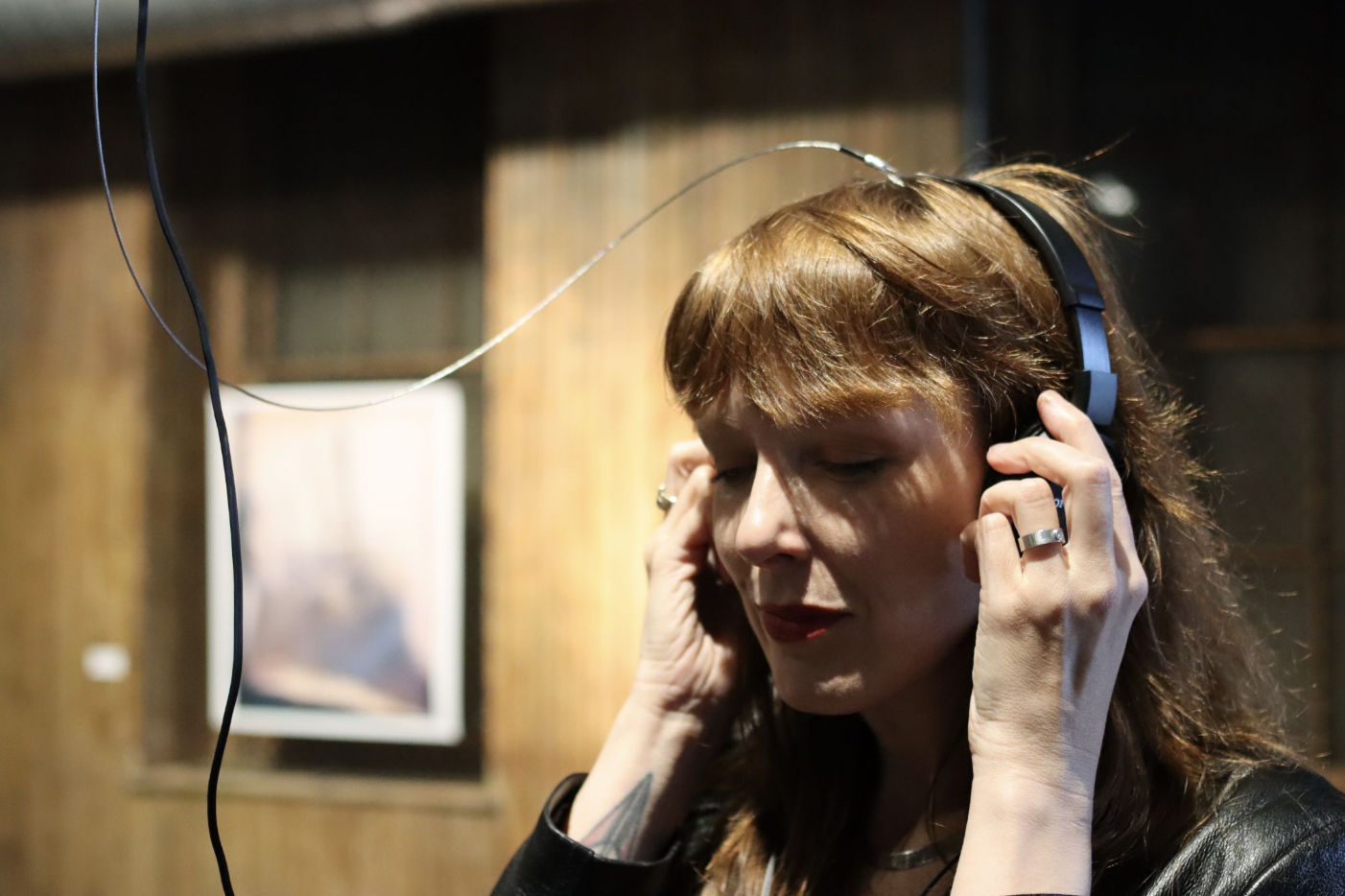
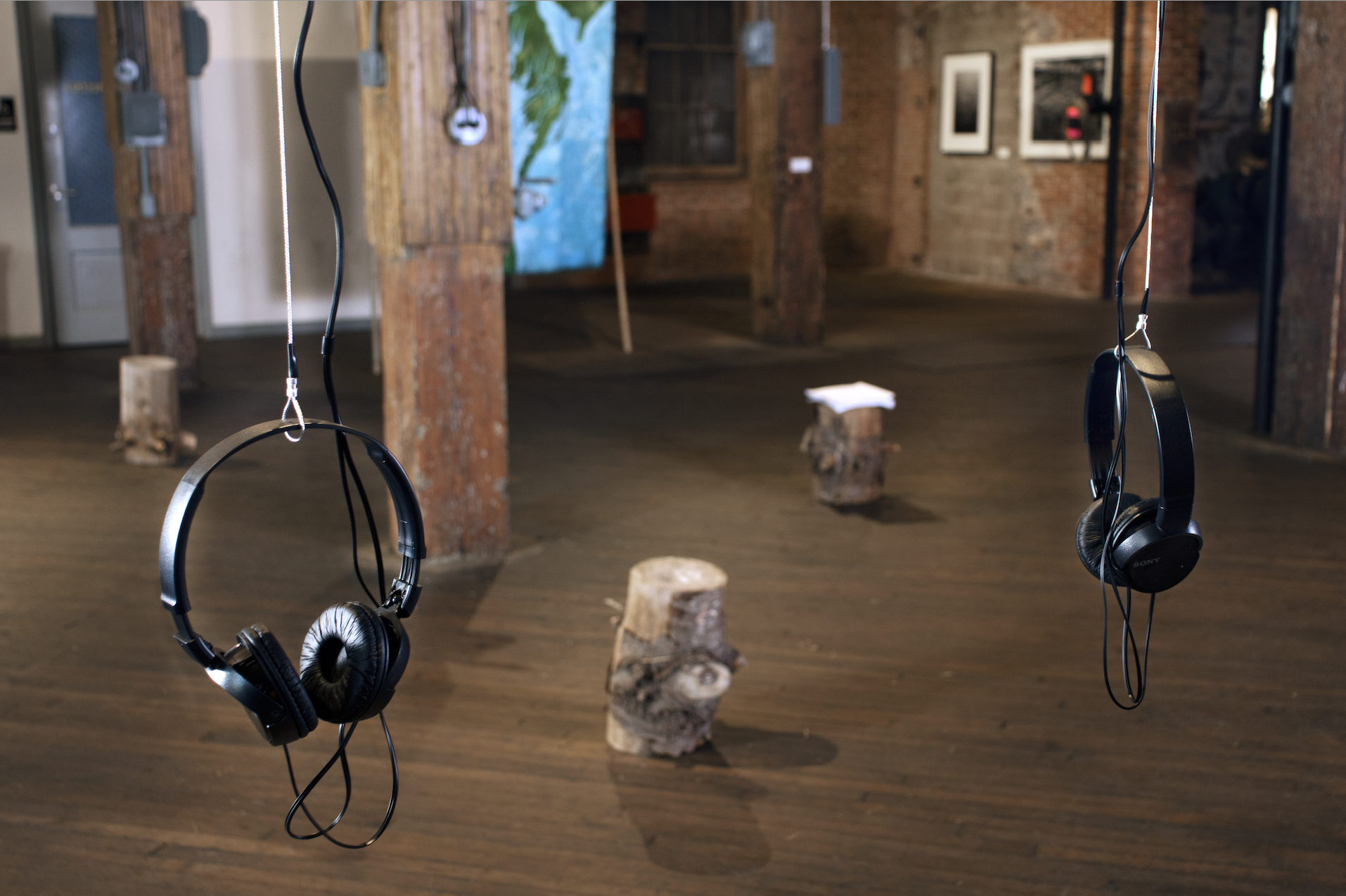
Pier IV [For Tilly] is a four-channel sound installation inspired by Tilly, an African American woman who escaped slavery in Baltimore in 1856 with help from Harriet Tubman. Beyond this escape, historical records provide little information about her. The installation imagines Tilly’s life as a response to this absence becoming a sonic meditation to acknowledge a life minimally recognized in historical accounts.
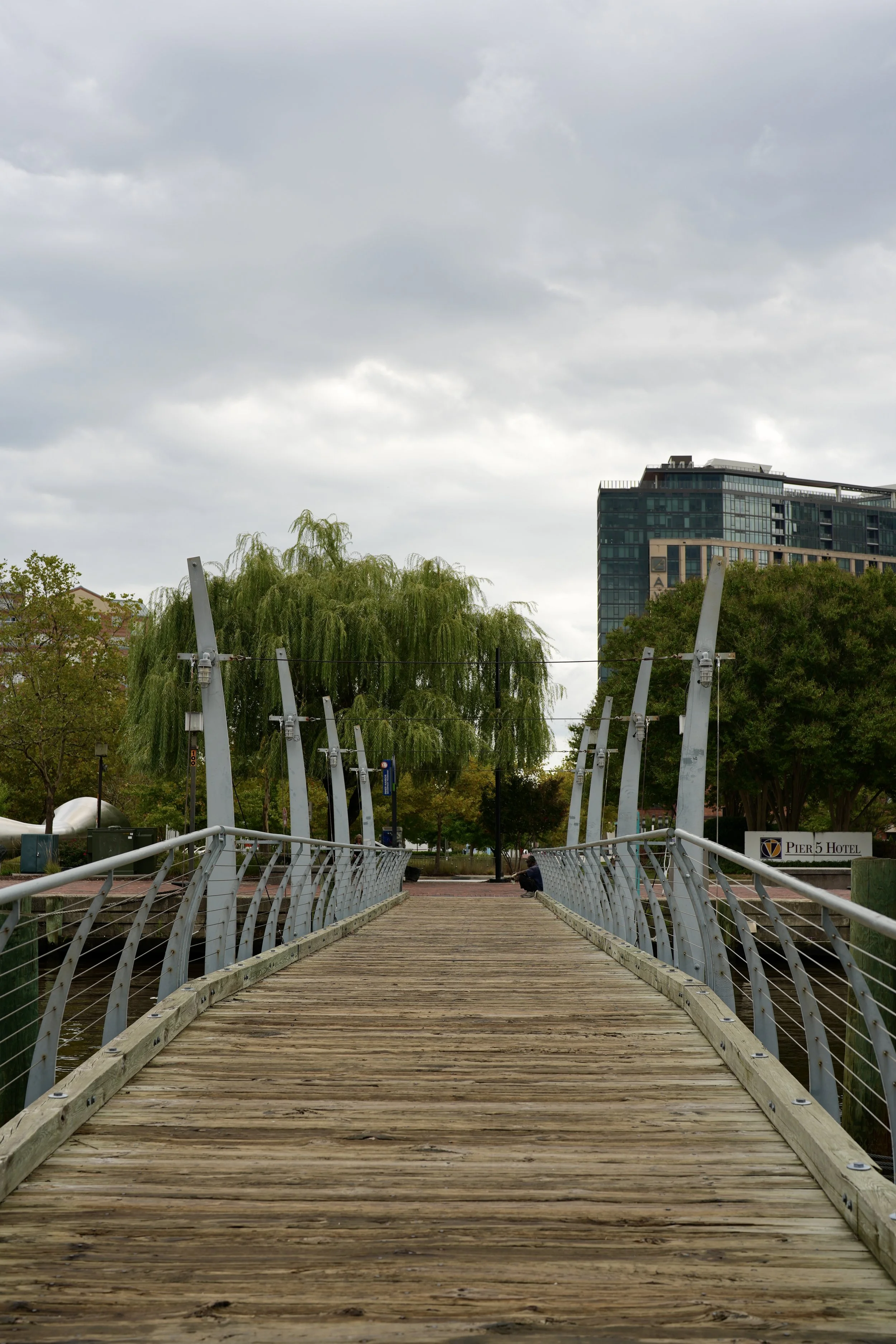
September 12, 2025: Pier IV Walking Bridge by Rhea Beckett
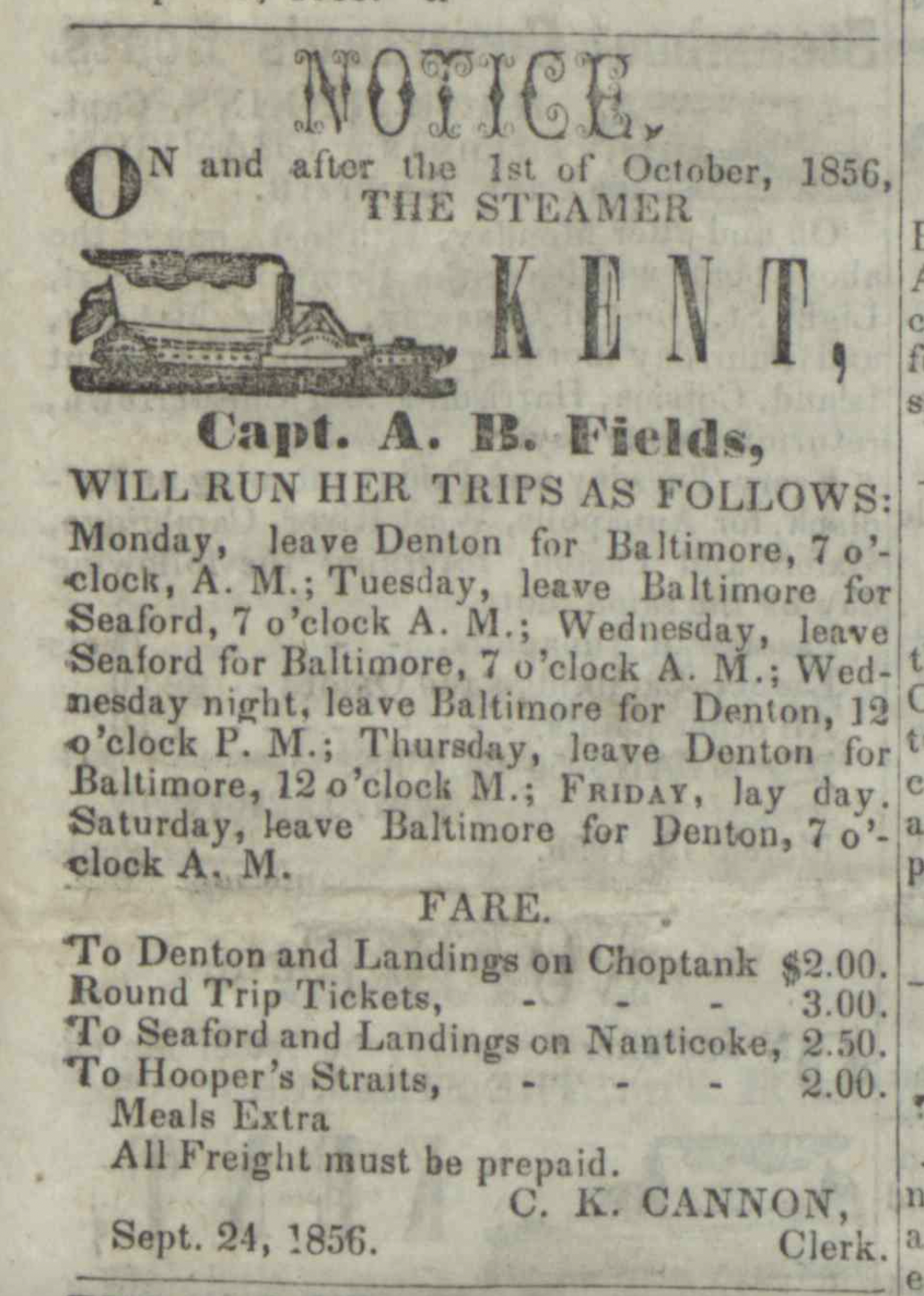
"Travel schedule for the steamer Kent" as published in the September 24, 1856 issue of the Cambridge Democrat. Courtesy of the Maryland State Archives, MSA SC 6044-1-5.
Process
The installation forms part of a larger body of work honoring memory, movement, and narratives of human solidarity embedded in the environment.
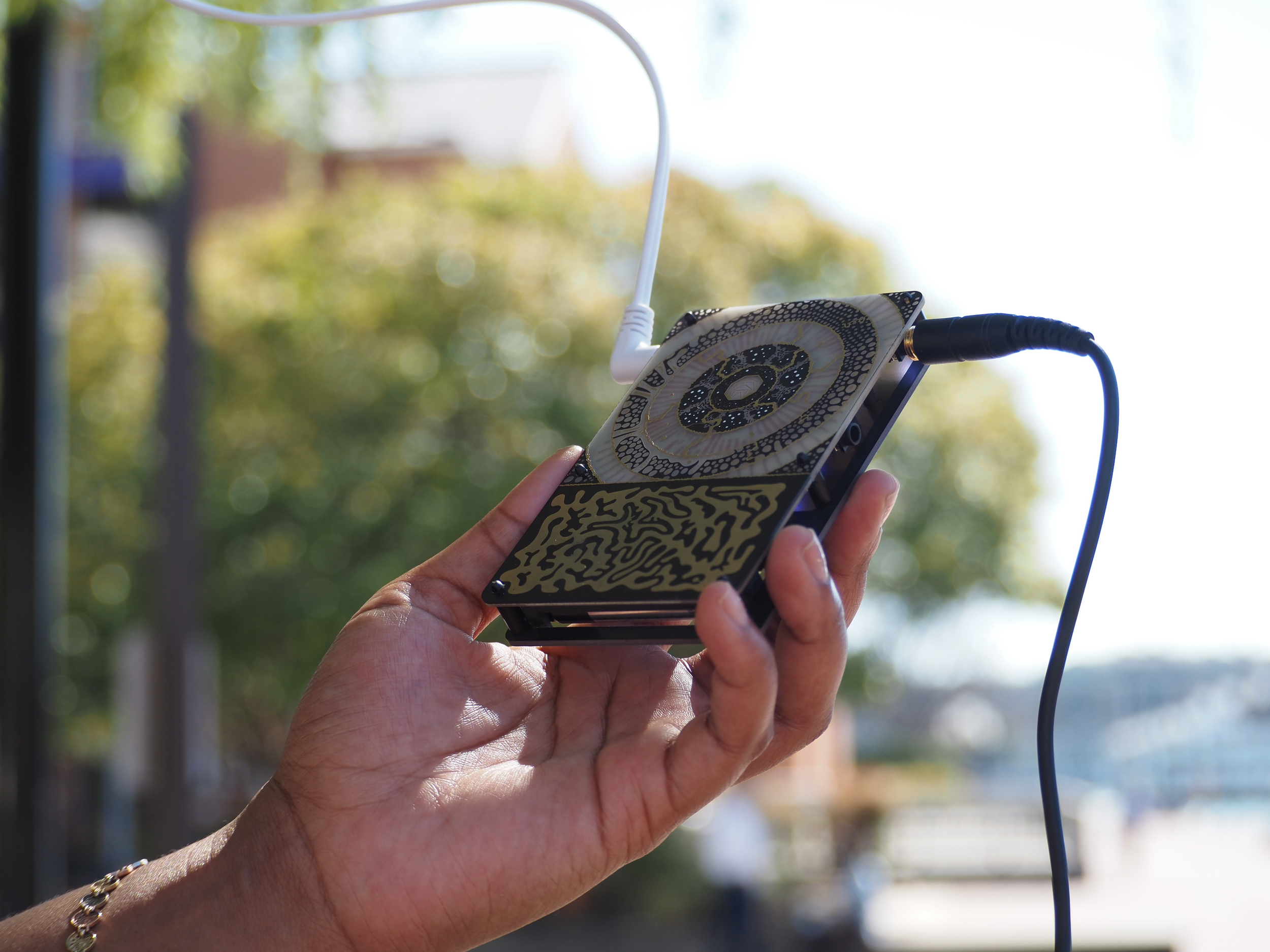
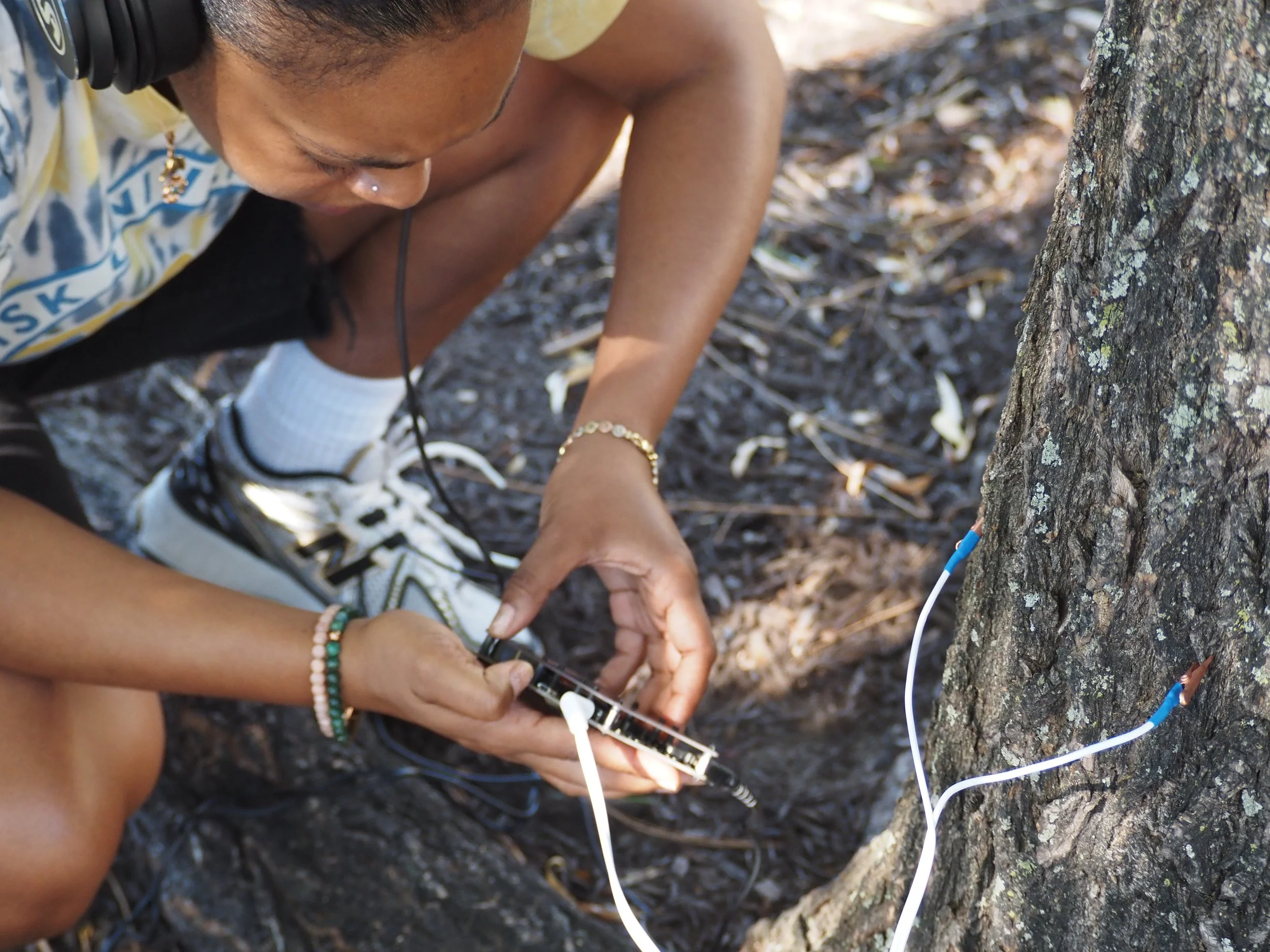
Each channel uses data collected from plants in Baltimore’s Inner Harbor, now Pier IV, a tourist destination where a pedestrian bridge now passes over the waters where Tilly and Harriet Tubman made their crossing. The electrical signals from the plants are processed through a biofeedback reader, which converts them into MIDI data. This data is then live recorded into a digital audio workstation and arranged.
This tension between historical memory and contemporary redevelopment informs my approach as I explore how landscapes hold traces of movement, resistance, and survival even as they are reshaped over time.
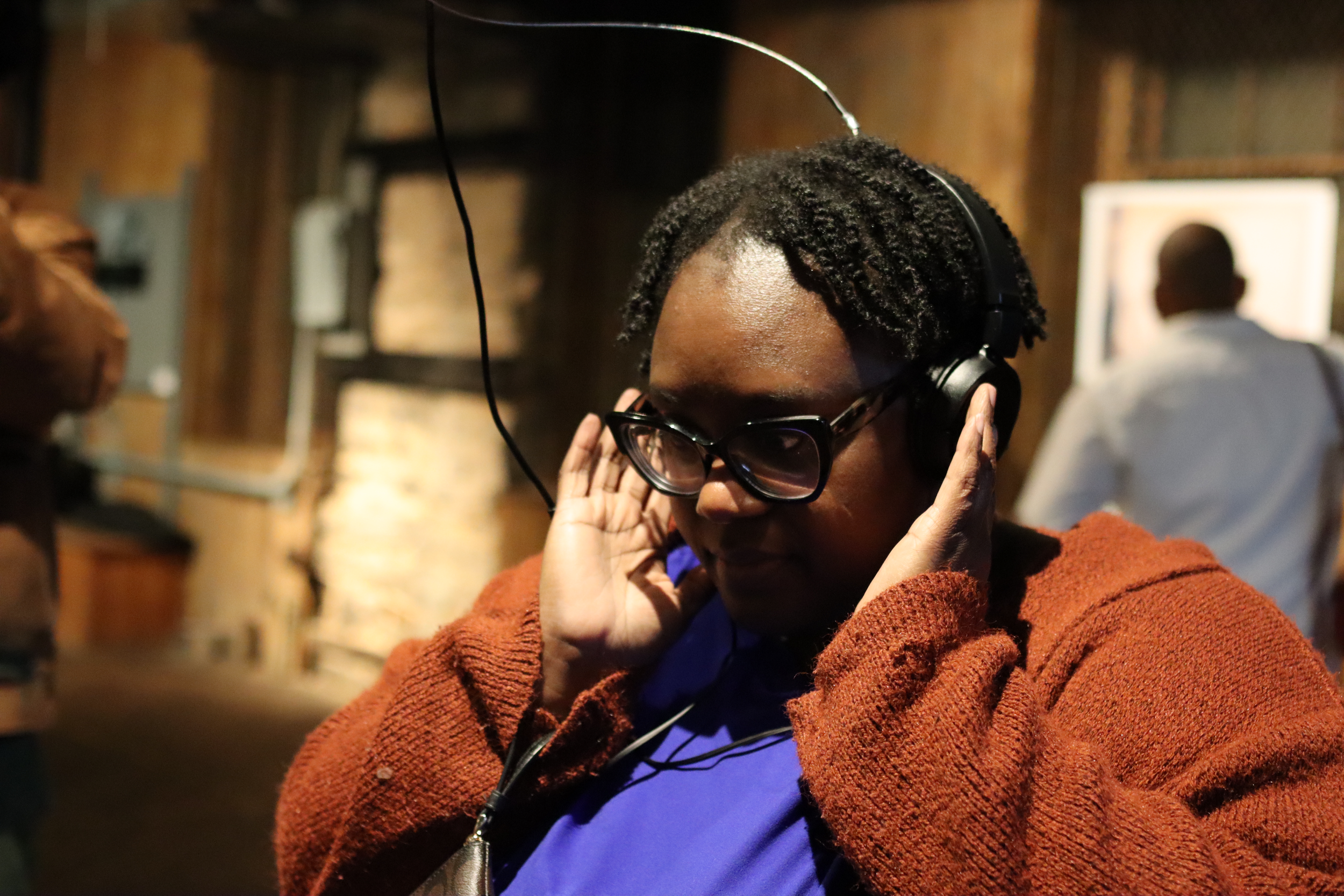
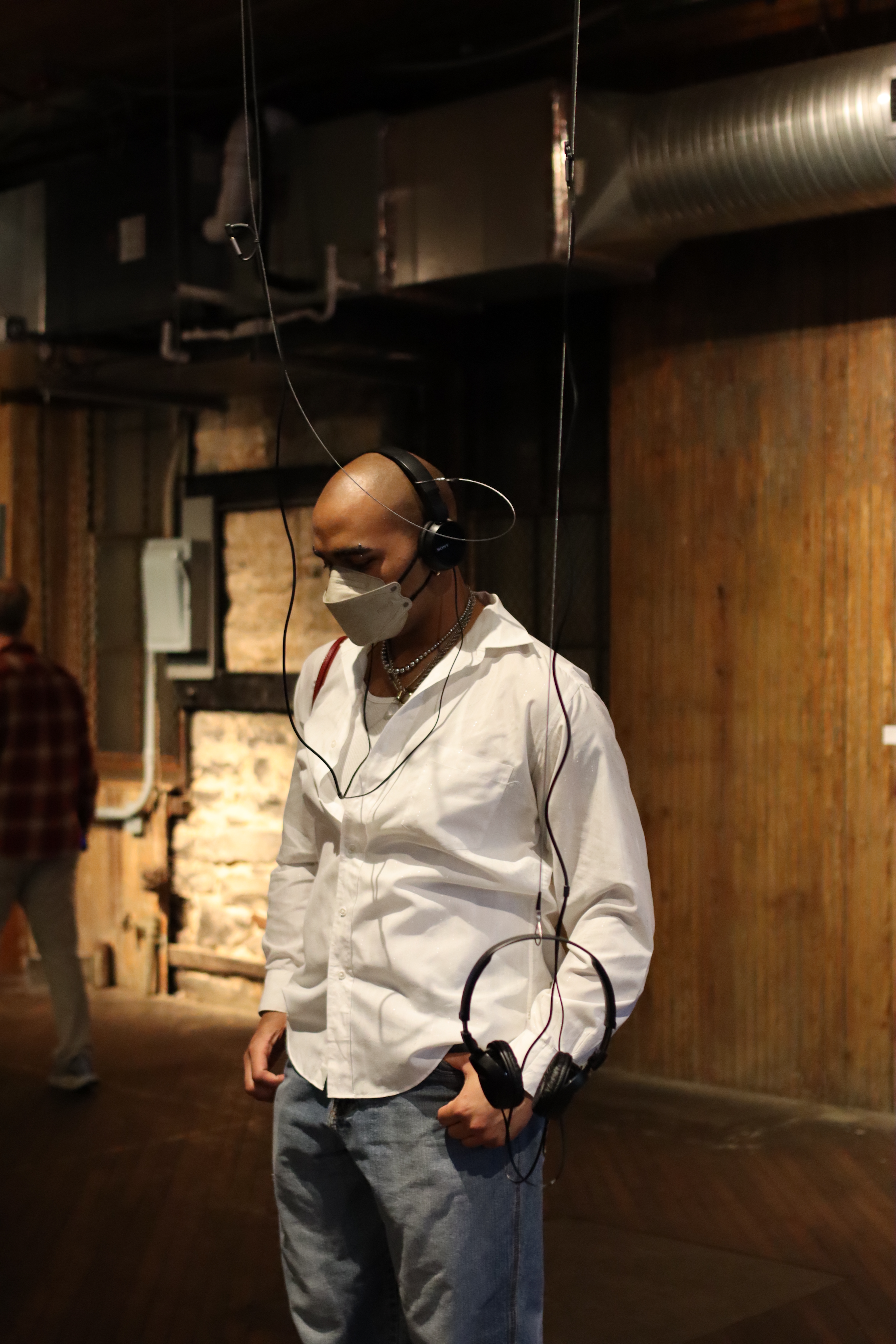
Photo documentation: Pier IV [For Tilly]
Installation by Rhea Beckett as a part of Confluence Exhibition
Area 405, Baltimore, MD